
4200 Parliament Pl., Suite 430, Lanham, MD 20706

Specialized Course on Establishing and Administering Election-day Command Centers

Washington D.C. – U.S.A.      July 13 – 17, 2026

Cost: US$1,500

Course Overview

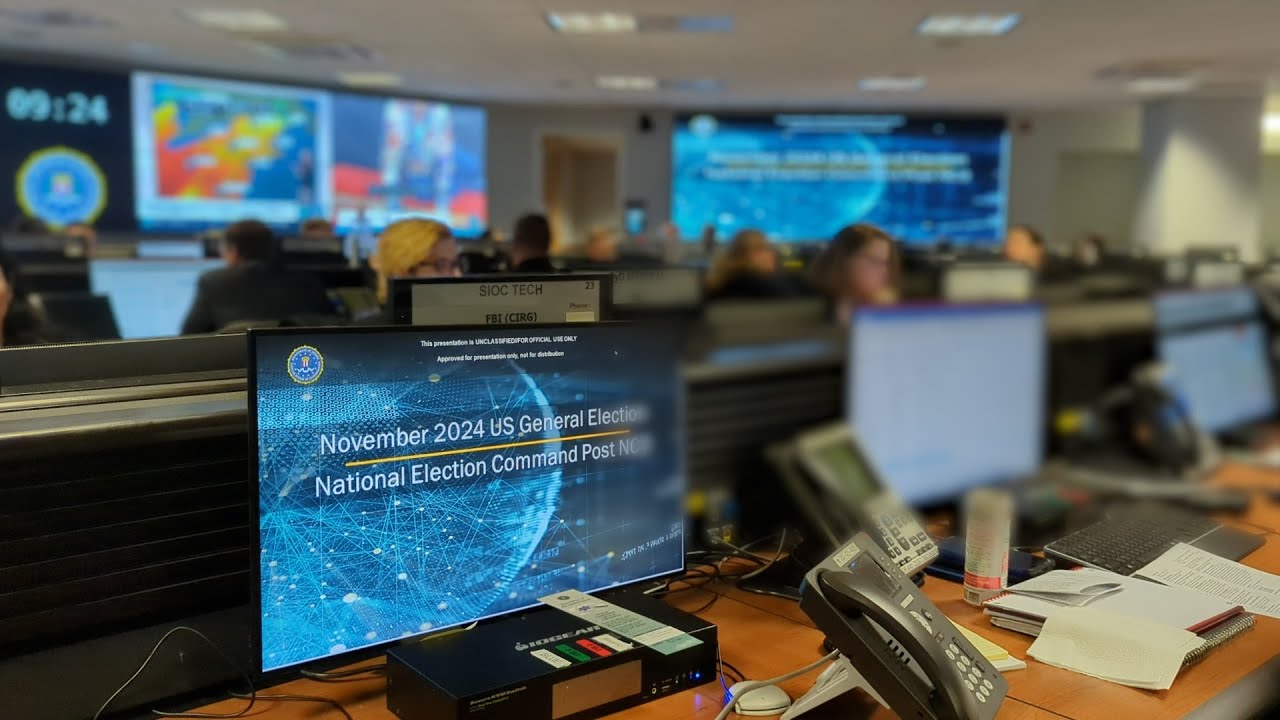
Things will go wrong on Election Day: election machines malfunction, ballot shortages, polling places inaccessible or loss of power, equipment is inadequate to handle the volume of voters, or a state’s voter registration register or database becomes inaccessible, rendering it difficult to check-in voters, among many other potential issues. No matter the cause, each potential issue risks tilting a polling place or an entire jurisdiction/constituency into a crisis that results in longer lines and wait time to vote. In order to effectively address problems on Election Day, administrators must be able to receive communications from the field about issues affecting voting, assign remedies, and track their resolution.

Participants in this course will be drilled on the U.S. experience. On Election Day 2012, in a handful of jurisdictions, things went very wrong. During his victory speech in 2012, President Obama noted that millions of American voters were forced to wait to vote for extended periods of time. “We have to fix that,” he said. Those five words led to the creation, in 2013, of the Presidential Commission on Election Administration (PCEA). The PCEA’s mission was to identify best practices in election administration and to make recommendations to improve the voting experience. Commission co-chairs Robert F. Bauer and Benjamin L. Ginsberg, formerly the general counsels for competing presidential campaigns, brought bipartisan leadership to the commission, which was also composed of distinguished election administrators and representatives of successful customer service-oriented businesses. In January 2014, after six months of public hearings and consultations with state and local election officials, academic experts, and organizations involved in various aspects of election administration, the PCEA presented its findings in a report to President Obama and Vice President Biden. One of the major recommendations was the creation of Election Day Command Centers to track complaints and timely response to and from polling locations in order to reduce long lines and wait times in polling locations and provide voters with optimal services.

Election administrators have a variety of tools at their disposal to respond to problems on Election Day. They may have access to county or local government infrastructure, to local law enforcement, to field staff roving the jurisdiction to provide IT and other support, and to communications networks for coordinating between polling places, elections headquarters, and field staff. Taken together, these tools form an Election Day command center, which is a centralized system for reporting, recording, and assigning responsibility for problems and tracking their resolution.

Once information is received from the field, a functional command center allows those responsible for decision making to communicate with the polling place and the proper internal elections office departments to find a workable solution. The command center infrastructure should provide some personnel and resource management mechanisms that allow election office staff to assign jobs to appropriate workers, such as field technicians, and to track the progress of issue resolution. Resolution tracking will ensure that issues are addressed, and that election administrators are aware of how long it is taking to address them.
Course Description

Command Center: The databases, systems, and personnel available to a jurisdiction’s election administrator that are used on Election Day to address issues at polling places that affect the voting experience. Command centers differ both in the breadth of their reach and their architecture. In some jurisdictions, administrators choose to purchase vendor-supplied, all-inclusive command center products. Over the last decade, manufacturers have expanded election technology available to command center solutions, though it is possible for election officials to develop locally tailored command center solutions for their own use. This course explores these less costly or no-cost solutions that election officials in developing democracies can use. Participants will acquire knowledge on the step by step process to establishing and running an Election Day Command Center within different electoral contexts. Command centers benefit election administrators in responding to the challenges and breakdowns that inevitably occur on Election Day. A plan and system for tackling those issues is an essential component to improving the American voting experience by keeping wait times from growing to unacceptable lengths. Participants will be taken through the process and explore various command center systems, looking each at the following:
  • Collecting information
  • Compiling data
  • Identifying problems
  • Assigning responsibility
  • Tracking resolution
  • Follow-up
The data collected during Election Day is invaluable for planning for future elections. For example, after Election Day using command center data, election office personnel can evaluate performance issues at specific facilities and with specific poll workers. Staff can use this information to make informed decisions about whether to rehire a given poll worker or to locate or relocate a polling place at a given facility in future elections. In addition, staff can use command center-generated reports to assess the relative effectiveness of the allocation and use of supplies in the field as well as the reported formation of lines at polling places on Election Day. These reports guide future election administration decisions.</span

Course Facilitators

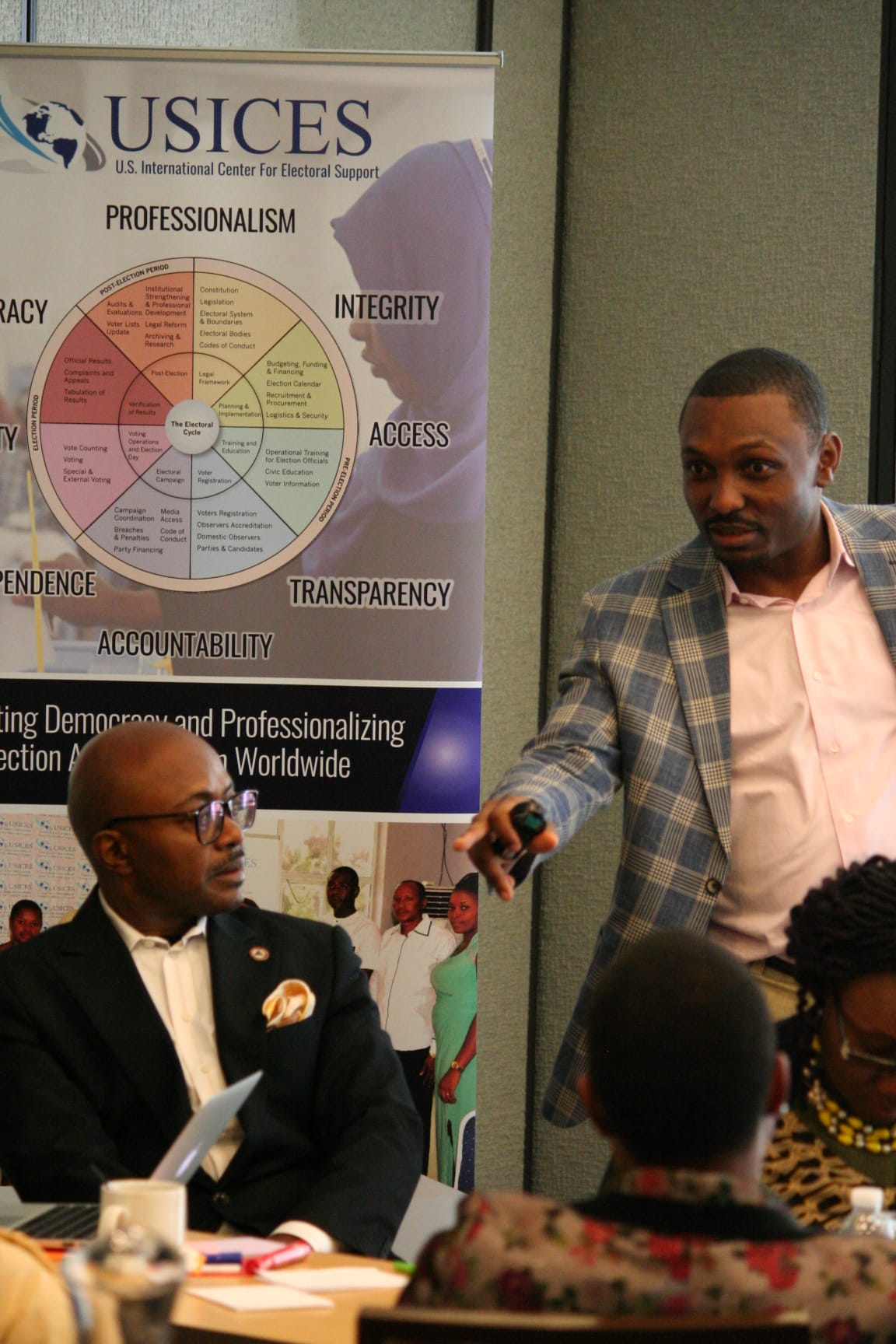
USICES has a wide range of experts who have trained in the past decade more than 500 election administrators and offered graduate academic programs on the subject in different universities across the United States and around the globe. In addition, we have included among the pool of experts, presentations from representatives from various U.S. federal, state, and local election departments and boards to add value and patronage to the training course, as well as provide an opportunity for participants to build networks.

Learning Environment

Facilitators use activity-based approaches that maximize retention of knowledge and skills learned. In addition, the training is designed to promote or reinforce professional confidence, ethics, understanding of principles of best electoral practice, and access to networks of peers. Facilitators encourage participants to reflect on their better organization, providing comparative examples and alternative approaches, generating blueprints or support for organizational reform. Participants will be evaluated for each topic through quizzes and a final test after the training to complete the course and get a certificate. Participants will also have the opportunity to receive practical on-site scenarios and meetings with officials of United States based State and Local Election offices to have firsthand knowledge on how elections are administered in the United States. This presents an avenue to build networks and promote the exchange of experiences between participants and U.S. election officials.

Who can apply?

This course is primaries important for:

  • Senior- and mid-level officials of Election Management Bodies (EMBs)
  • Leaders of Civil Society Organizations directly engaged in election-related processes
  • Officials of media organizations involved in elections
  • Political party officials involved in the administration of Election Day activities
  • Officials working with election assistance–providing organizations, as well as graduate students

How to apply

Prospective applicants wishing to apply must submit a written application/cover letter together with their resume and two (2) references to courses@usices.org.  

Course instructors will then review the applications and CV/resume. Once the instructor accepts or denies your application, you will receive notification by email. If your application is accepted, you will receive further instructions by email, including payment information. Applicants will be notified about the outcome of their application within 10 working days. Applications will be accepted on a rolling base and will stop when the required number of participants is reached.

Cost of Training

The cost for the training is $1500 and covers tuition, study materials, breakfast and lunch for the duration of training, ground transportation to and from selected U.S. Federal, States, and County election offices. Complete payments must be received not more than 14 days after notification of acceptance. Participants are responsible for their own lodging and travel arrangements, including visas. USICES offer reduced hotel rates through some partner hotels. Selected participants will be provided with the list of these hotels. 

Visas to the United States

Please email courses@usices.org with a request for an invitation letter to join the course. Once it has been emailed to you, it should be provided to the U.S. embassy at which you apply for a visa. Please note that you will need a tourist (B or B1) visa; because our courses are not a university program, a more complicated visa process for study in the United States is not necessary. Note also that we are not able to influence the decisions of U.S. embassies, but our staff will be attentive to respond to any questions the embassy may have about your application. Invitation letters are sent to applicants who have completed the application process and paid the course fee.